



Why Mid-Market Companies in KSA Are Investing in GRC Before They Need To
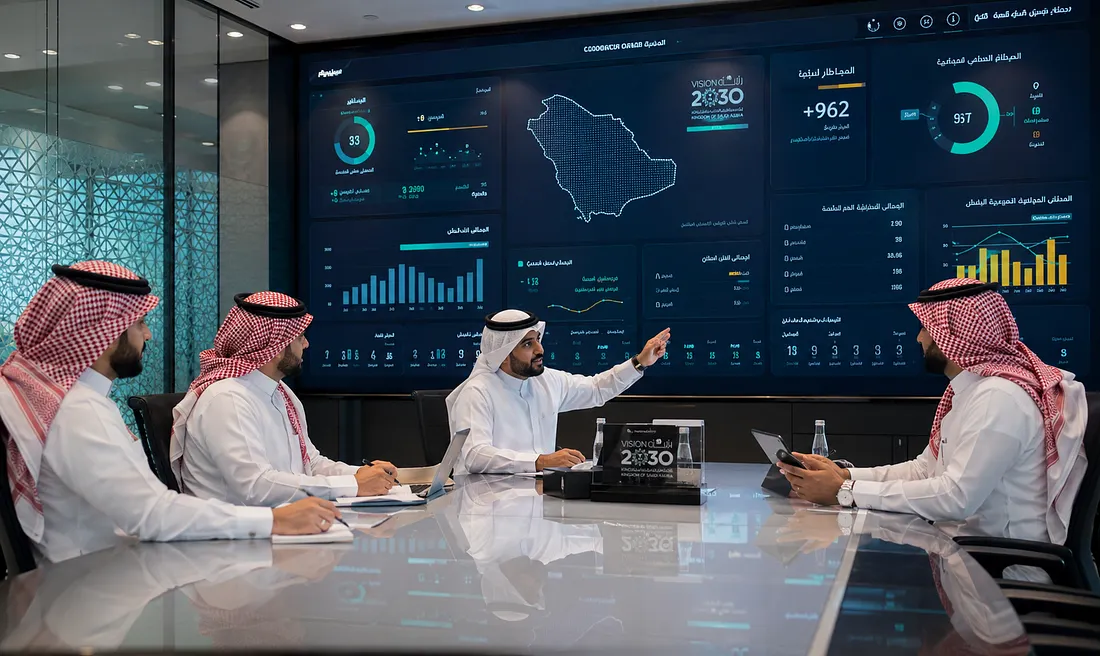
Governance, Risk, and Compliance (GRC) was once considered a priority only for large enterprises with complex regulatory requirements. Today, that mindset is changing across Saudi Arabia. An increasing number of mid-market companies are investing in GRC long before regulations force them to do so.
The reason is simple: compliance is no longer just about avoiding penalties. It has become a strategic business function that supports growth, strengthens cybersecurity, improves operational resilience, and helps organizations stay ahead of rapidly evolving regulations.
As Saudi Arabia accelerates its digital transformation under Vision 2030, organizations are facing greater scrutiny around governance, risk management, data protection, and cybersecurity. Businesses that proactively establish strong GRC programs are finding themselves better prepared for future challenges while gaining a competitive advantage in the market.
As regulatory requirements continue to evolve, businesses are increasingly adopting Governance, Risk, and Compliance (GRC) frameworks to stay ahead of compliance challenges. Companies looking to strengthen their risk management and compliance strategies can learn more about GRC in Saudi Arabia and its growing importance for mid-market organizations here:
Why Compliance Has Become a Business Priority
For many years, compliance was viewed as a checklist exercise handled by legal or audit teams. Today, leadership teams and boards increasingly recognize that governance and compliance directly impact business performance.
Organizations must manage a growing range of risks, including cybersecurity threats, data privacy concerns, operational disruptions, third-party risks, and changing regulatory requirements. A single compliance failure can result in financial losses, reputational damage, and disruption to business operations.
As companies expand, manual processes such as spreadsheets and disconnected systems become difficult to manage. This has led many organizations to invest in modern GRC platforms that provide centralized visibility into risks, controls, policies, and compliance activities.
Saudi Arabia’s Regulatory Environment Is Evolving
Saudi Arabia’s regulatory landscape continues to evolve as the Kingdom modernizes its economy and strengthens digital governance.
Organizations must now address requirements related to:
- Personal Data Protection Law (PDPL)
- National Cybersecurity Authority (NCA) frameworks
- Corporate governance obligations
- Information security standards such as ISO 27001
- Customer assurance frameworks such as SOC 2
What makes compliance particularly challenging is that regulations continue to evolve. Organizations can no longer rely on annual reviews or periodic audits alone. Instead, they need continuous monitoring and ongoing compliance management.
This shift is encouraging many businesses to invest in compliance automation and governance frameworks before regulatory pressure becomes urgent.
Why Mid-Market Businesses Are Acting Earlier
Mid-market organizations face many of the same risks as large enterprises but often operate with smaller compliance teams and fewer resources.
As businesses grow, they typically:
- Store larger volumes of customer data
- Work with more vendors and partners
- Expand into new markets
- Adopt cloud-based technologies
- Increase their digital footprint
Each of these developments introduces new risks and compliance obligations.
Waiting until regulations become mandatory often creates unnecessary challenges. Organizations may be forced into rushed implementations, expensive consulting projects, and disruptive compliance initiatives.
By investing early, businesses can build governance and compliance capabilities gradually, allowing them to scale more efficiently as requirements evolve.
The Hidden Cost of Reactive Compliance
Many organizations underestimate the cost of delaying GRC implementation.
Reactive compliance often results in:
- Last-minute audit preparation
- Increased consulting expenses
- Manual evidence collection
- Compliance gap
- Operational inefficiencies
- Greater regulatory risk
When compliance becomes a crisis, teams are forced to divert resources away from strategic initiatives and growth objectives.
Proactive organizations take a different approach. They establish controls, automate workflows, and continuously monitor compliance activities. This not only reduces costs but also improves overall business agility.
In many cases, the investment required for early GRC implementation is significantly lower than the cost of addressing compliance issues after they emerge.
How AI Is Changing Governance, Risk, and Compliance
Artificial intelligence is transforming the way organizations manage governance, risk, and compliance.
Traditional compliance programs often rely on manual reviews, spreadsheets, and resource-intensive processes. AI-powered GRC solutions help automate many of these activities, enabling teams to focus on strategic decision-making rather than administrative work.
Modern AI-driven GRC platforms can support:
- Continuous compliance monitoring
- Automated risk assessments
- Internal audit management
- Regulatory change tracking
- Third-party risk management
- Predictive risk analytics
Rather than reacting to problems after they occur, organizations can identify potential issues earlier and take corrective action before risks escalate.
This proactive approach is one of the primary reasons AI-powered GRC solutions are gaining traction across Saudi Arabia.
Key Regulations Driving GRC Investments in KSA
Several important frameworks are influencing compliance priorities across the Kingdom.
Personal Data Protection Law (PDPL)
PDPL establishes requirements for the collection, processing, storage, and protection of personal data. Organizations must implement appropriate governance and security controls to ensure compliance.
National Cybersecurity Authority (NCA)
The NCA has introduced cybersecurity requirements designed to strengthen resilience, governance, and risk management practices across organizations operating in Saudi Arabia.
ISO 27001
ISO 27001 provides a globally recognized framework for information security management. Many organizations pursue certification to improve security maturity and demonstrate trustworthiness to customers and partners.
SOC 2
SOC 2 has become increasingly important for technology providers and organizations seeking to demonstrate strong security controls and operational integrity.
Organizations that align with these frameworks early often find it easier to adapt as new regulations emerge.
The Benefits of Early GRC Adoption
Businesses that invest in GRC before regulatory pressure increases typically experience several advantages.
Better Risk Visibility
Organizations gain a clearer understanding of risks across operations, cybersecurity, compliance, and third-party relationships.
Lower Compliance Costs
Automation reduces manual effort, improves efficiency, and minimizes the resources required for audits and reporting.
Improved Audit Readiness
Evidence, controls, and documentation remain continuously updated, making audits faster and less disruptive.
Stronger Decision-Making
Leadership teams gain access to accurate risk intelligence that supports informed strategic decisions.
Competitive Advantage
Customers, investors, and partners increasingly prefer organizations with mature governance and compliance programs.
Rather than viewing compliance as a cost center, leading organizations recognize it as an enabler of sustainable growth.
Why AI-Powered GRC Platforms Are Becoming Essential
As regulatory complexity increases, organizations need solutions that can scale with their business.
Modern GRC platforms provide:
- Centralized governance oversight
- Automated compliance workflows
- Continuous monitoring capabilities
- Risk intelligence dashboards
- Audit management tools
- Regulatory change tracking
By consolidating governance, risk, and compliance activities into a single platform, businesses can improve visibility, reduce duplication, and strengthen operational efficiency.
The ability to leverage AI for risk identification and compliance automation further enhances the value of these platforms.
How SAHL GRC Helps Organizations Stay Ahead
SAHL GRC is designed to help Saudi organizations simplify compliance, strengthen governance, and improve risk management through an intelligent, AI-powered platform.
The solution enables organizations to:
- Automate compliance activities
- Monitor risks continuously
- Streamline internal audits
- Track regulatory obligations
- Improve governance visibility
- Strengthen cybersecurity compliance
With built-in automation and advanced risk intelligence capabilities, SAHL GRC helps businesses remain prepared for evolving regulatory requirements while reducing the operational burden associated with compliance management.
The Future of GRC in Saudi Arabia
The future of GRC in Saudi Arabia will be shaped by digital transformation, cybersecurity priorities, and ongoing regulatory modernization.
Organizations can expect increased focus on:
- AI-powered compliance management
- Continuous compliance monitoring
- Data privacy and protection
- Third-party risk oversight
- Governance automation
- Real-time risk intelligence
As Vision 2030 initiatives continue to drive innovation and economic growth, governance, risk, and compliance will become increasingly important business functions.
Organizations that invest early will be better positioned to navigate future regulations, strengthen resilience, and capitalize on new opportunities.
Conclusion
Mid-market companies across Saudi Arabia are investing in Governance, Risk, and Compliance before they are required to because they recognize the long-term value of proactive compliance.
Growing regulatory requirements, increasing cybersecurity risks, and the rapid pace of digital transformation are making GRC a strategic necessity rather than an operational afterthought.
Businesses that act now gain stronger risk visibility, lower compliance costs, improved operational efficiency, and greater readiness for future regulatory changes.
In an environment where compliance expectations continue to evolve, proactive GRC is becoming one of the smartest investments a growing organization can make.
Want to learn why forward-thinking businesses are investing in Governance, Risk, and Compliance before regulatory pressure forces them to? Read our detailed guide on GRC in Saudi Arabia.
Frequently Asked Questions (FAQ)
1. Why are mid-market companies in Saudi Arabia investing in GRC early?
They want to stay ahead of evolving regulations, reduce risks, and support long-term business growth. Early adoption also lowers future compliance costs.
2. How does GRC benefit growing businesses in KSA?
GRC improves risk visibility, strengthens governance, and keeps businesses audit-ready. It also helps organizations scale with confidence.
3. How does SAHL GRC help mid-market companies?
SAHL automates compliance workflows, monitors risks continuously, and centralizes governance activities. This reduces manual effort and simplifies regulatory compliance.
4. Which regulations are driving GRC adoption in Saudi Arabia?
Key frameworks include PDPL, NCA, ISO 27001, and SOC 2. These require organizations to maintain strong governance and security practices.
5. Why is proactive GRC better than reactive compliance?
Proactive GRC helps prevent compliance issues before they occur and reduces operational disruptions. It also saves time and resources compared to fixing problems later.

