



Best GRC Platforms 2026: Governance & Compliance Tools
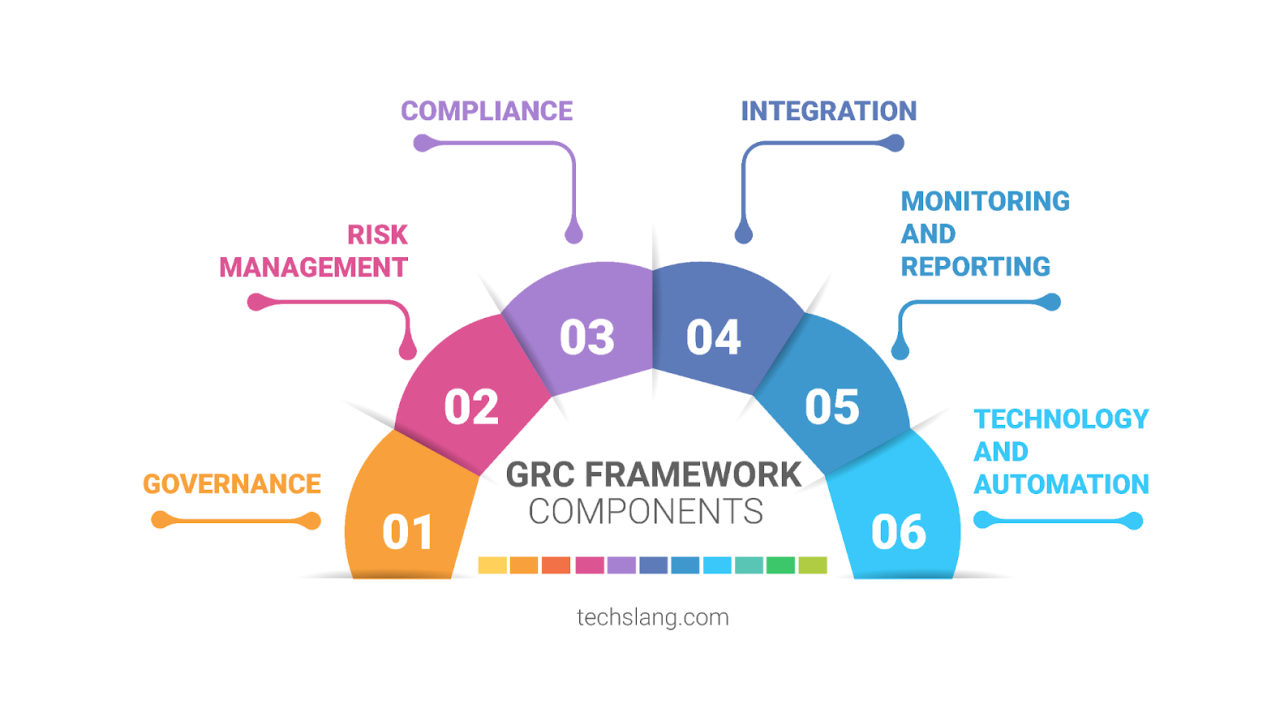
The landscape of business operations is constantly evolving, making robust Governance, Risk, and Compliance (GRC) strategies more critical than ever. Choosing the best GRC platforms 2026 helps organizations streamline risk, compliance, and governance processes. These advanced solutions integrate core functions like risk assessment, compliance automation, policy management, and audit tracking, ensuring seamless and efficient operations.
Sahl, for instance, stands out as a pioneering AI-powered GRC Platform, particularly tailored for the dynamic MENA region. Such platforms demonstrate how intelligent automation and advanced analytics are reshaping how organizations approach complex regulatory landscapes and mitigate potential threats. Investing in the best GRC platforms 2026 is an investment in your organization’s future resilience and efficiency.
Table of Contents
- Understanding the Best GRC Platforms 2026
- Why Best GRC Platforms 2026 Are Essential for Integrated Strategy
- Core Features of the Best GRC Platforms 2026
- Benefits of Using Best GRC Platforms 2026
- Challenges Solved by Best GRC Platforms 2026
- How to Implement Best GRC Platforms 2026 Effectively
- Key Considerations for Selecting Best GRC Platforms 2026
- Future Trends in Best GRC Platforms 2026
- Regional Insights for Best GRC Platforms 2026
- Comparison Table: Sahl AI GRC vs Traditional GRC
- Key Takeaways
- Frequently Asked Questions
- Conclusion
- Why Sahl is the Future of MENA GRC
Understanding the Best GRC Platforms 2026 for Business Resilience
A GRC platform is an integrated software solution designed to help organizations manage their governance, risk management, and regulatory compliance activities in a unified and structured manner. Instead of disparate systems and manual processes, a GRC platform provides a single source of truth, fostering efficiency and clarity.
These platforms are not merely tools for ticking boxes; they are strategic assets that enable organizations to achieve objectives, address uncertainty, and act with integrity. By centralizing GRC functions, businesses gain a holistic view of their operational health and regulatory posture.
Why Best GRC Platforms 2026 Are Essential for Integrated Strategy
In today’s complex business environment, organizations face an increasing array of regulations, cybersecurity threats, and operational risks. Managing these elements individually is not only inefficient but also highly prone to errors and significant financial penalties. An integrated GRC approach, powered by cutting-edge platforms, addresses these challenges head-on.
Recent industry analyses indicate that organizations with a mature, integrated GRC strategy often see a 20-30% reduction in compliance-related costs and a significant decrease in risk exposure. The alternative fragmented GRC leads to redundant efforts, inconsistent data, and a reactive stance towards emerging threats. This can result in severe financial losses, reputational damage, and legal repercussions. Investing in an effective GRC platform is therefore not just a best practice, but a critical component of business resilience and sustainable growth.
The Cost of Non-Compliance
Failing to comply with regulations can lead to substantial fines. For example, GDPR non-compliance can result in penalties up to €20 million or 4% of global annual turnover, whichever is higher. Beyond direct fines, businesses face indirect costs such as legal fees, remediation expenses, loss of customer trust, and a damaged brand reputation, all of which can severely impact long-term profitability and market position.
Core Features of the Best GRC Platforms 2026
The efficacy of a GRC platform hinges on its robust feature set, designed to streamline and automate critical processes. Understanding these core concepts is key to evaluating and leveraging the best solutions available.
Risk Assessment and Management
An efficient GRC solution systematically identifies, analyzes, and evaluates potential risks across the organization. This includes operational, financial, strategic, and cyber risks. Platforms offer tools for quantitative and qualitative risk assessments, allowing businesses to prioritize risks based on their potential impact and likelihood. Continuous monitoring and predictive analytics empower organizations to anticipate threats before they materialize, enabling proactive mitigation strategies and minimizing potential disruptions.
Compliance Automation and Regulatory Mapping
A key attribute of a top-notch GRC platform is its ability to automate compliance tasks. This frees up valuable time for strategic activities and drastically reduces the potential for human error. Platforms integrate regulatory content, automatically map it to internal controls, and track adherence to standards like ISO 27001, GDPR, HIPAA, and regional frameworks such as SAMA (Saudi Central Bank) and NCA (National Cybersecurity Authority) in the MENA region. Automated alerts and reporting ensure that organizations remain continuously compliant with evolving legal and industry requirements.
Policy Management and Lifecycle Control
A comprehensive GRC platform centralizes the creation, approval, distribution, and version control of policy-related documents across the organization. This ensures that all employees have access to the most current policies and procedures, fostering a culture of compliance. Features often include workflow automation for policy review cycles, acknowledgment tracking, and audit trails to demonstrate adherence to internal governance standards and external regulations.
Audit Tracking and Management
Leveraging robust audit trail features helps organizations track and report on compliance tasks, internal controls, and risk management activities. This is a critical aspect in meeting industry regulations and standards, as well as preparing for internal and external audits. GRC platforms provide comprehensive documentation of who did what, when, and why, simplifying the audit process, reducing preparation time, and enhancing transparency.
Vendor and Third-Party Risk Management
With supply chains becoming increasingly interconnected, managing risks associated with third-party vendors is paramount. Modern GRC platforms extend their capabilities to assess, monitor, and manage the compliance and security postures of external partners, ensuring that third-party risks do not compromise the organization’s overall GRC framework.
Benefits of an Integrated GRC Platform
Adopting the best GRC platforms 2026 improves decision-making and reduces risk exposure.
- Enhanced Decision-Making: By providing a holistic view of risks, compliance status, and governance structures, GRC platforms empower leadership with accurate, real-time data to make informed strategic decisions.
- Reduced Risk Exposure: Centralized risk management identifies vulnerabilities more effectively, allowing for proactive mitigation and significantly reducing the likelihood of financial losses, security breaches, or reputational damage.
- Improved Operational Efficiency: Automation of routine compliance tasks, streamlined policy management, and simplified audit processes lead to substantial time and cost savings. This frees up human resources to focus on higher-value activities.
- Cost Savings: Beyond efficiency, GRC platforms reduce the direct costs associated with non-compliance (fines, legal fees) and the indirect costs of manual, fragmented GRC efforts.
- Stronger Regulatory Adherence: Continuous monitoring and automated reporting ensure consistent compliance with a myriad of local, national, and international regulations, minimizing the risk of penalties.
- Greater Transparency and Accountability: A centralized system creates clear audit trails and assigns responsibilities, fostering a culture of accountability throughout the organization.
- Better Resource Allocation: By highlighting areas of greatest risk or non-compliance, GRC platforms help organizations allocate resources more effectively to address critical issues.
Challenges in GRC Management and How Platforms Help
Despite the clear benefits, organizations often face significant hurdles in establishing and maintaining effective GRC. Understanding these challenges is the first step toward leveraging platforms as solutions.
- Data Silos and Fragmentation: Many organizations struggle with GRC data spread across multiple departments and systems, leading to incomplete insights and redundant efforts. GRC platforms integrate these disparate data sources into a single, unified view.
- Rapidly Changing Regulatory Landscape: Keeping pace with an ever-evolving set of regulations is a monumental task. GRC platforms often include regularly updated regulatory intelligence and automated mapping features to streamline this process.
- Manual Processes and Human Error: Reliance on spreadsheets and manual checks is time-consuming, prone to errors, and lacks scalability. Automation within GRC platforms drastically reduces manual effort and human error.
- Lack of Expertise: Specialized knowledge in risk management, compliance, and governance is often scarce. GRC platforms can embed best practices, provide guidance, and simplify complex tasks, making GRC more accessible.
- Integration Complexity: Integrating GRC systems with existing IT infrastructure (ERPs, HR systems, cybersecurity tools) can be challenging. Modern platforms are designed with robust APIs and integration capabilities to overcome this.
- Cultural Resistance: Shifting from traditional, siloed approaches to an integrated GRC culture requires change management. GRC platforms, with their intuitive interfaces and clear benefits, can help drive adoption.
Practical Implementation Steps for Adopting a GRC Platform
When adopting the best GRC platforms 2026, start with a pilot program
- Evaluate Your Business’s Specific GRC Needs: Begin by conducting a thorough internal assessment. Identify your organization’s key governance requirements, predominant risk areas (e.g., cybersecurity, financial, operational), and the specific compliance frameworks relevant to your industry and region. Document existing pain points and desired outcomes.
- Investigate Different GRC Platforms: Research a wide array of solutions available in the market. Look beyond basic features and consider the platform’s scalability, customization options, integration capabilities with your current systems, and the vendor’s reputation and support. Engage in demonstrations and trials.
- Prioritize GRC Platforms with Robust Features: Match the platforms’ capabilities against your identified business requirements. Focus on solutions that offer comprehensive coverage of risk assessment, compliance automation, policy management, audit tracking, and any other specific needs like vendor risk management or regulatory intelligence.
- Consider Platforms with AI Capabilities for Enhanced Efficiency: In today’s competitive landscape, AI-driven GRC platforms offer significant advantages. Prioritize solutions that leverage AI for predictive analytics, intelligent automation, natural language processing for regulatory scanning, and automated evidence collection, ensuring future-readiness and superior insights.
- Implement the Chosen GRC Platform Incrementally: Avoid a “big bang” approach. Start with a pilot program focusing on high-priority areas or a single department. This allows your team to familiarize themselves with the system, identify any issues, and refine processes before a full-scale rollout.
- Regularly Review and Refine Your GRC Processes: GRC is not a one-time project but an ongoing journey. Establish a continuous review cycle to assess the platform’s effectiveness, adapt to new regulations, and incorporate lessons learned. Ensure your GRC strategy evolves with your business and the regulatory landscape.
Key Considerations When Choosing a GRC Platform
Selecting the right GRC platform is a critical strategic decision. Beyond the core features, several factors should guide your choice:
- Scalability: Can the platform grow with your organization? Will it accommodate increased users, data volumes, and expanding regulatory requirements without performance degradation?
- Integration Capabilities: How well does the platform integrate with your existing enterprise systems (ERP, CRM, HRIS, cybersecurity tools)? Seamless integration minimizes data silos and maximizes data utility.
- User Experience (UX): Is the interface intuitive and easy to use for all stakeholders, from executives to front-line employees? A poor UX can hinder adoption and negate the benefits of automation.
- Customization and Flexibility: Can the platform be tailored to your organization’s unique processes, reporting needs, and specific industry or regional compliance mandates?
- Vendor Support and Training: Evaluate the vendor’s support services, including technical assistance, training resources, and a roadmap for future updates and enhancements.
- Security Features: Given the sensitive nature of GRC data, ensure the platform itself adheres to the highest security standards, including data encryption, access controls, and regular security audits.
- Cost-Effectiveness: Consider the total cost of ownership, including licensing fees, implementation costs, maintenance, and potential savings from improved efficiency and reduced risk.
Future Trends and Emerging Practices in GRC

The evolution of GRC is closely tied to technological advancements and the increasing complexity of the global business environment. Several key trends are poised to redefine GRC in the coming years.
AI and Machine Learning Dominance
Artificial Intelligence (AI) and Machine Learning (ML) will continue to revolutionize GRC platforms. Beyond current automation, they will power more sophisticated predictive analytics, identifying emerging risks and compliance gaps before they become critical. Natural Language Processing (NLP) will enable platforms to intelligently parse vast amounts of regulatory text, providing real-time insights into regulatory changes. AI will also facilitate automated control testing and continuous auditing, moving from periodic checks to ongoing assurance.
Hyper-automation and Intelligent Workflow
The integration of Robotic Process Automation (RPA) with AI and ML will lead to hyper-automation in GRC. This means not just automating individual tasks, but orchestrating end-to-end GRC workflows, from data ingestion and analysis to reporting and remediation, with minimal human intervention. Intelligent workflows will adapt to changing conditions and learn from past events, making GRC processes more resilient and efficient.
GRC as a Service (GRCaaS)
The demand for cloud-based, subscription-model GRC solutions will grow, offering greater flexibility, scalability, and reduced upfront investment for organizations. GRCaaS providers will manage infrastructure and updates, allowing businesses to focus on their core competencies while benefiting from cutting-edge GRC capabilities.
Integrated Risk Management (IRM) and ESG
GRC platforms will increasingly converge with broader Integrated Risk Management (IRM) frameworks, providing a truly holistic view of all enterprise risks. Furthermore, Environmental, Social, and Governance (ESG) considerations are becoming critical for stakeholders and regulators. Future GRC platforms will integrate robust ESG reporting and management capabilities, helping organizations meet sustainability objectives and investor demands.
Evidence-Based Frameworks and Regional Relevance
Companies in Pakistan, UAE, and Saudi Arabia are actively seeking the best GRC platforms 2026 for compliance automation. These regions are experiencing rapid digital transformation and economic diversification, leading to evolving regulatory landscapes and increased scrutiny.
Platforms like Sahl are specifically designed to help these companies automate their governance and compliance workflows with AI, catering to unique regional compliance needs. This includes built-in mapping for regulatory bodies such as the Saudi Central Bank (SAMA) and the National Cybersecurity Authority (NCA). These tailored solutions drive digital transformation and significantly improve business processes across the MENA region, ensuring that local enterprises can navigate complex frameworks like:
- SAMA (Saudi Central Bank) Regulations: Covering financial stability, monetary policy, and banking supervision.
- NCA (National Cybersecurity Authority) Frameworks: Setting national cybersecurity standards and controls in Saudi Arabia.
- GDPR (General Data Protection Regulation): Though European, its influence extends globally, particularly for companies handling data of EU citizens.
- ISO 27001: An international standard for information security management systems.
- COSO Framework: Providing guidance on enterprise risk management, internal control, and fraud deterrence.
By integrating these frameworks, GRC platforms offer tangible evidence of compliance and provide a structured approach for continuous improvement, making them indispensable for demonstrating accountability to regulators and stakeholders.
| Feature | Sahl AI GRC (Modern Approach) | Traditional Manual GRC (Legacy Approach) |
|---|---|---|
| Speed & Efficiency | Real-time automation, instant analysis | Manual reviews, time-consuming processes |
| Evidence Collection | Automated AI evidence extraction & analysis | Manual documentation, prone to gaps |
| Regulatory Mapping | Built-in NCA & SAMA frameworks, auto-updates | Manual mapping, often outdated |
| Risk Detection Accuracy | Machine learning predictive risk detection | Human dependent, subjective, reactive |
| Resource Allocation | Optimizes human effort for strategic tasks | High human dependency, inefficient |
| Scalability | Easily scalable with cloud infrastructure | Limited, often requires more personnel |
Key Takeaways
- The demand for integrated, automated GRC platforms is rapidly increasing due to complex regulatory environments and evolving risk landscapes.
- Core features like risk assessment, compliance automation, policy management, and audit tracking are fundamental to top GRC platforms.
- Businesses in emerging markets such as Pakistan, UAE, and Saudi Arabia are actively seeking GRC platforms tailored to regional compliance needs.
- AI-driven solutions, like Sahl’s GRC platform, automate vital elements of governance and compliance, offering unparalleled efficiency and insight.
- Leveraging AI in GRC platforms significantly increases efficiency, reduces risk exposure, and saves valuable time, positioning organizations for future success.
Frequently Asked Questions
A GRC platform is a unified software system that helps businesses manage governance, risk management, and regulatory compliance activities. It integrates these three disciplines into a single framework, improving efficiency and providing a holistic view of an organization’s GRC posture.
Businesses need a GRC platform to effectively navigate complex regulatory environments, mitigate diverse risks, and ensure transparent governance. It reduces manual effort, prevents costly compliance failures, enhances decision-making, and improves operational resilience, supporting sustainable growth.
Sahl’s AI GRC offers significant advantages over manual practices, including real-time automation, automated evidence extraction, built-in MENA regulatory framework mapping, and machine learning-driven predictive risk detection, making processes faster, more accurate, and more proactive.
Companies in these regions are experiencing rapid digital transformation and evolving regulatory landscapes. GRC platforms like Sahl satisfy their specific regional compliance needs (e.g., SAMA, NCA) and help automate governance and compliance workflows, accelerating their digital journey.
AI in GRC enhances predictive capabilities for risk detection, automates complex compliance tasks, streamlines evidence collection, and provides deeper insights through data analysis. This leads to increased accuracy, reduced operational costs, and a more proactive GRC strategy, ultimately bolstering an organization’s security and compliance stance.
A GRC platform helps by centralizing regulatory intelligence, automatically mapping changes to internal controls, and providing alerts for new or updated requirements. This ensures that organizations can quickly adapt their policies and processes, maintaining continuous compliance with minimal disruption.
Conclusion
The journey towards robust governance, resilient risk management, and unwavering compliance is not merely about adhering to rules; it’s about building a foundation for sustainable growth and long-term success. As businesses continue to navigate an increasingly complex and interconnected world, the role of advanced GRC platforms becomes paramount. By integrating diverse functions, automating tedious tasks, and leveraging the power of artificial intelligence, these platforms transform GRC from a reactive burden into a proactive strategic advantage.
Organizations that embrace an integrated, AI-driven GRC approach are better positioned to anticipate threats, seize opportunities, and uphold the highest standards of integrity. Investing in the right GRC platform in 2026 is an investment in the future resilience, efficiency, and trustworthiness of your enterprise.
Sahl: Leading Best GRC Platforms 2026 in MENA
Sahl, as the pioneering AI-powered GRC platform in the MENA region, offers unparalleled effective risk detection, quick compliance automation, and efficient governance procedures powered by advanced AI algorithms. GRC platforms like Sahl demonstrate how AI can fundamentally enhance governance, risk, and compliance outcomes, providing tailored solutions for the specific regulatory environments of the Middle East. Organizations aiming to deliver superior governance and compliance should opt for AI-driven GRC systems immediately to future-proof their operations. Book a demo with Sahl today to experience the next level of GRC management and empower your business to thrive in the digital age.
